
Insights - Oil & Gas Industry Insights Report
Insights
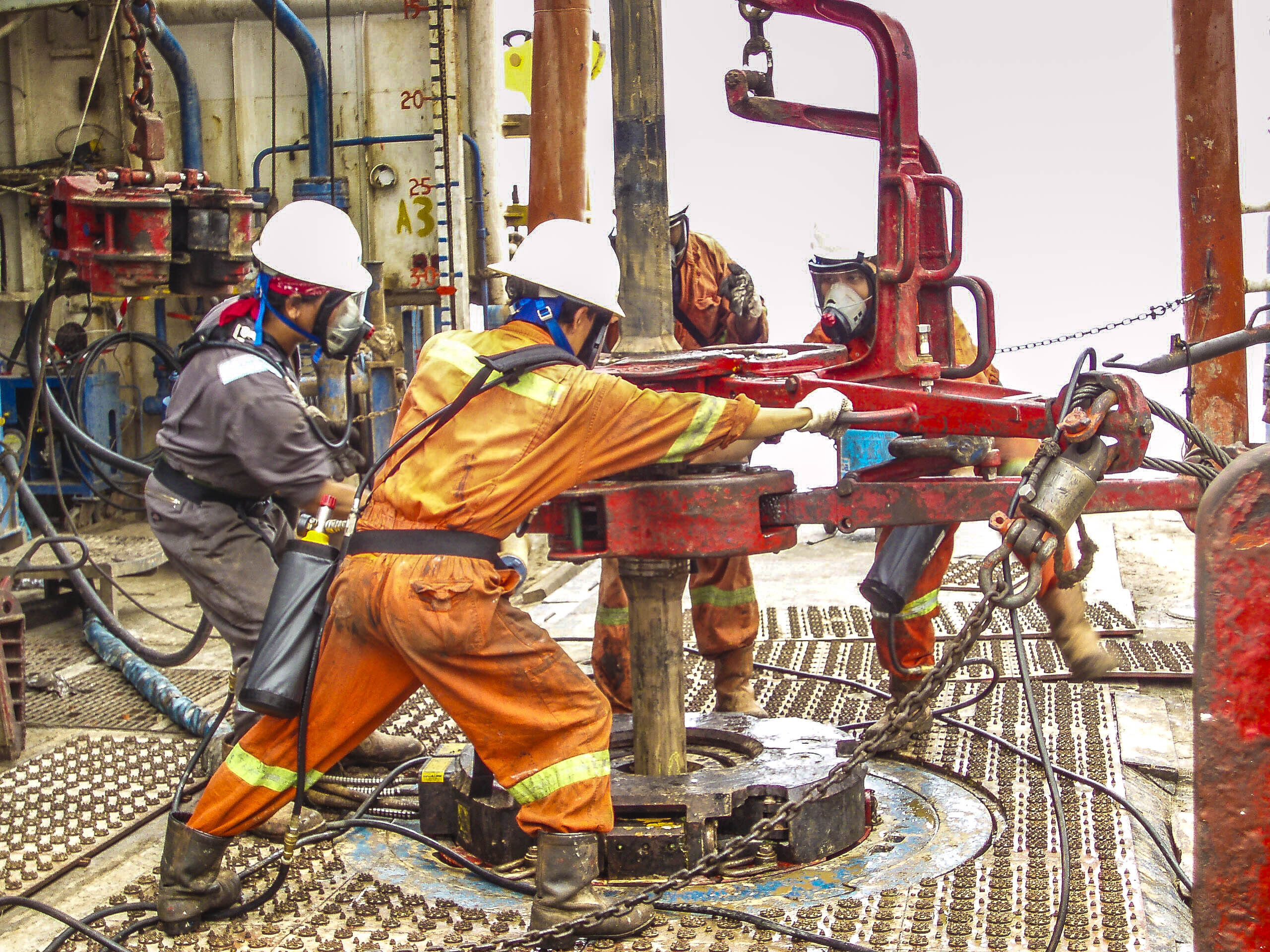
The Oil & Gas industry finds itself in a paradoxical moment of transformation. As The New York Times article “Why Oil Industry Jobs Are Down, Even With Production Up” by Rebecca F. Elliott highlights, U.S. oil production has surged to historic highs, even as the number of industry jobs has fallen. This reflects a new reality where technology, market dynamics, and a shifting energy mix redefine the industry’s trajectory. In this report, we explore the five key trends shaping this transformation and their implications for the future.
The Renewable Energy Pivot: A Future Beyond Fossil Fuels
For over a century, the Oil & Gas sector was synonymous with hydrocarbons, but today, companies are repositioning themselves as energy providers, not just oil producers. This pivot is not just about sustainability, it’s a strategic response to the global energy transition. BP, for example, has committed to cutting its hydrocarbon production by 40% by 2030, while simultaneously investing $5 billion annually in renewable energy projects. Shell has pledged to become a net-zero emissions business by 2050, leveraging investments in hydrogen and offshore wind.
Globally, renewables accounted for 29% of new energy investments in 2024, with Oil & Gas giants driving much of this growth. Carbon capture and storage (CCS) technologies have also become central to this transition. ExxonMobil has announced plans to develop a $100 billion CCS hub in Houston, capable of capturing 50 million metric tons of CO2 annually by 2030.
These investments are not only about meeting environmental goals but also securing a future in a market where oil demand is expected to peak by the early 2030s. Companies are leveraging their engineering expertise and capital resources to lead the charge into a greener future.
Technological Advancements: Driving Efficiency and Productivity
The U.S. has witnessed a remarkable trend: oil production rose from 8.8 million barrels per day (bpd) in 2016 to over 12.8 million bpd in 2024, even as the number of drilling rigs dropped from 1,850 in 2014 to around 610 in 2024. This leap in productivity per rig is largely attributed to technological innovation.
Directional drilling and hydraulic fracturing have unlocked previously inaccessible reserves, while advances in AI, IoT, and robotics have transformed operations. Chevron’s Decision Support Center (DSC) in Houston exemplifies this shift. Through remote monitoring systems, engineers can manage wells across the globe in real-time, optimizing production and reducing downtime. This system has reportedly saved Chevron millions annually while enhancing safety and precision.
These technological strides have allowed the industry to do more with less. Less manpower, fewer rigs, and lower costs. However, this efficiency comes with a societal cost, as traditional labor roles are replaced by the demand for highly specialized technical expertise.
Industry Consolidation: Mergers and Acquisitions Reshaping the Landscape
The pandemic-induced downturn of 2020 acted as a catalyst for consolidation in the Oil & Gas sector. With declining revenues and volatile markets, companies sought mergers to achieve economies of scale and strengthen their positions. In one of the largest deals in recent years, ConocoPhillips acquired Concho Resources for $13.3 billion, creating a shale behemoth with production exceeding 1.5 million bpd.
Consolidation also extends to service providers. Schlumberger, Halliburton, and Baker Hughes have diversified through joint ventures and technology-driven collaborations, further streamlining the supply chain. M&A activity hit $250 billion globally in 2024, up 40% from pre-pandemic levels.
While consolidation reduces competition and enhances efficiency, it poses significant challenges, including integrating corporate cultures, managing redundancies, and aligning technology infrastructures. For the workforce, it often translates to fewer jobs and the need to adapt to new organizational structures.
Globalization of Jobs: Strategic Relocation for Cost Efficiency
The relocation of non-core functions to lower-cost regions is not new, but it has accelerated in the Oil & Gas sector over the past decade. ExxonMobil and Shell have both established global business service centers in India, handling functions ranging from IT support to supply chain optimization. These centers employ thousands of workers, providing 24/7 operational capabilities at a fraction of the cost.
A case study of ExxonMobil’s Bengaluru center illustrates the scale of these relocations. The center supports over 40 countries and has reportedly saved the company $500 million annually. However, this approach is not without risks. Issues such as data security, regulatory compliance, and potential cultural disconnects must be carefully managed to ensure smooth operations.
As these functions move offshore, domestic employment in traditional administrative roles declines, further contributing to the overall reduction in Oil & Gas jobs in the U.S.
Refining’s Evolution: Adapting to Declining Demand
The U.S. demand for gasoline has peaked, influenced by the rise of electric vehicles (EVs), fuel efficiency standards, and changing consumer behaviors. This shift has led to reduced refinery utilization rates and job cuts in regions heavily dependent on refining operations.
Phillips 66 provides a blueprint for adapting to this new reality. Its San Francisco refinery is undergoing a $1 billion conversion to produce renewable diesel from used cooking oil and other waste products. Once operational, it will have the capacity to produce 800 million gallons of renewable fuel annually, demonstrating how refineries can pivot to meet emerging demands.
However, the transition is not without challenges. Renewable diesel plants require significant investment, and their operational processes differ from traditional refining, necessitating retraining for the workforce. The shift also underscores the broader theme of adaptability as a survival strategy in the evolving energy landscape.
Conclusion
The Oil & Gas industry is redefining itself in response to technological advancements, sustainability imperatives, and economic pressures. Companies are navigating a complex balancing act, embracing renewables, leveraging cutting-edge technologies, consolidating operations, and adapting to changing market demands. These trends signal a sector in flux, yet one that remains critical to the global economy.
Looking ahead, the future of Oil & Gas will likely hinge on its ability to innovate, collaborate, and integrate new energy sources while continuing to optimize traditional operations. It is an industry poised to evolve from an emblem of fossil fuels into a cornerstone of the global energy transition.
Interested in exploring these trends further? Reach out to discuss the future of Oil & Gas and how it impacts your business!